
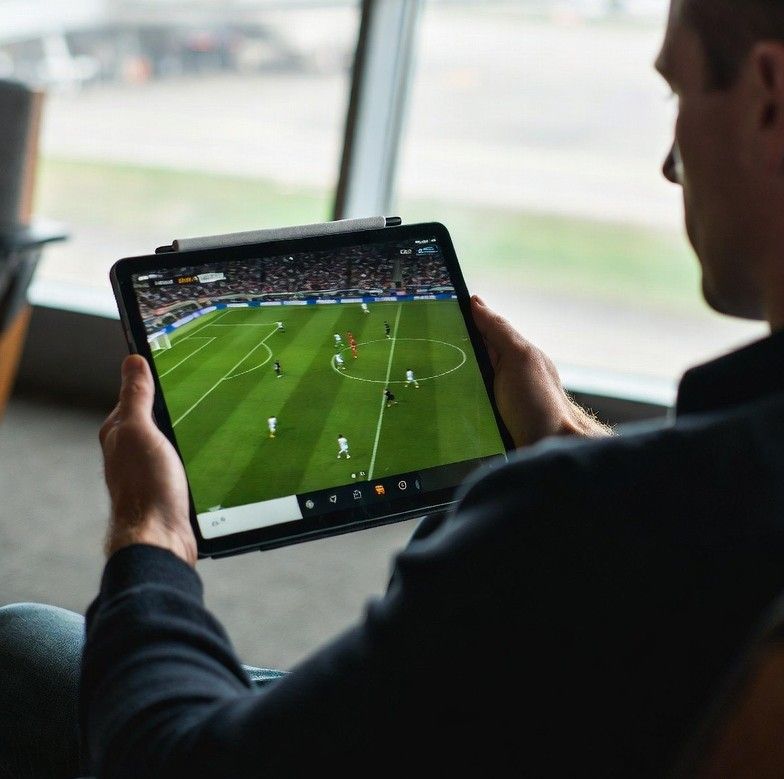
Premier League matches attract hundreds of millions of viewers worldwide, creating a unique intersection between sports, media, and travel. Fans no longer plan trips solely to catch live matches at stadiums; streaming has opened new ways to engage with football while shaping how supporters move and travel globally.
Streaming Flexibility and Travel Planning
Platforms like EPL Broadcast (EPL중계) have transformed fan habits. With matches available anytime, anywhere, supporters can follow live action without being tied to local TV schedules or physical venues. This flexibility influences travel planning, as fans now coordinate trips around lifestyle, leisure, and tailgate experiences rather than just stadium availability. A Manchester United fan in Singapore, for instance, may choose a weekend getaway knowing the game can be streamed on Royal TV, allowing them to balance sightseeing with live match viewing.
Redefining Tailgate and Viewing Culture
Real-time broadcasts are also reshaping tailgate culture. Instead of arriving early at a stadium hours before kickoff, fans organize meetups in city centers, pubs, or even hotels, connecting with other supporters and creating temporary hubs that mimic stadium energy. This phenomenon extends the notion of sports travel beyond physical attendance, emphasizing social and digital experiences as equally valuable. Fans now prioritize destinations where they can enjoy communal viewing and shared excitement without necessarily entering the stadium itself.
Impact on Urban Mobility and Transit
The impact on transportation is notable. Cities hosting major EPL fan gatherings report increased demand for public transit, parking, and rideshare services outside traditional stadium schedules. Urban planners are observing that live-stream-driven events can produce dispersed peaks in mobility, contrasting with conventional spikes tied directly to match times. For insights into how technology is improving transit systems in general, see how mobile apps enhance public transit and what that means for fans moving around cities. In London, for example, Jubilee line trains see moderate surges at local pubs during Liverpool vs. Chelsea matches streamed live, reflecting a shift in how supporters move around urban spaces.
Global Fan Travel Evolves
Global fan travel has also evolved. EPL tourists increasingly integrate streaming into itineraries, blending football experiences with other forms of leisure. Instead of scheduling a trip solely around a match, travelers now consider where to watch games live on digital platforms, choosing accommodations with robust streaming capabilities or destinations with vibrant fan communities. This shift has prompted travel services to advertise “match-friendly” packages, highlighting high-speed internet and local viewing hubs as key selling points.
Merchandise, Hospitality, and Fan Engagement
Merchandise and hospitality sectors have adapted too. Fans streaming games remotely often seek local experiences that replicate stadium atmospheres, fueling growth in themed bars, fan zones, and interactive pop-up events. Brands leverage EPL Broadcast availability to create promotions timed with match schedules, transforming digital engagement into a travel-driven marketing strategy. The result is a more distributed yet connected network of fan activity spanning continents.
Social Connections Across Borders
The social dimension cannot be overlooked. Digital broadcasts foster cross-border friendships and interactions, encouraging fans to travel to meet online communities in person. Viewing parties in Berlin or Tokyo, organized around streamed Premier League games, reflect a globalized sports culture where travel, technology, and football converge. Fans now treat EPL viewing as a shared journey, whether through flights, train rides, or local excursions designed to combine entertainment with mobility.
Changing Expectations of “Being There”
Streaming services like Royal TV also influence how fans perceive “being there.” Attendance at stadiums remains desirable, but the option to watch matches live from any location broadens accessibility. This evolution is changing fan expectations, emphasizing experience and convenience alongside the thrill of physical presence. EPL Broadcast is more than a media outlet, it is a catalyst for new patterns in travel, mobility, and fan engagement worldwide.
Conclusion: Digital Access Shapes Sports Travel
Ultimately, the rise of accessible streaming has redefined sports travel. Fans now plan trips, gatherings, and activities around the freedom to watch matches on their terms. Real-time broadcasts, social meetups, and remote engagement are reshaping urban mobility, hospitality, and the global fan experience. EPL Broadcast continues to exemplify how digital platforms drive this cultural shift, blending football with travel in a way that mirrors broader trends in how people move, connect, and experience sport. For modern supporters, the journey is as important as the match itself. EPL Broadcast has made it possible to follow the Premier League across continents, highlighting how digital access transforms traditional notions of fan travel and sports tourism.