
Every year, billions of dollars move across the global economy without a single truck, ship, or plane involved. Digital goods now travel faster than any physical cargo, crossing borders in seconds instead of weeks. This shift has changed how people think about delivery, value, and speed, and gaming marketplaces sit at the center of this quiet transformation.
Online games have built economies where items arrive instantly, with no packaging, fuel, or customs checks. Platforms like D2 items marketplaces show how value can be transferred with a click. A rare sword or armor piece moves from one player to another without touching a road. There is no warehouse and no delivery address. The experience feels normal to gamers, but from a transport perspective, it is radical.
Physical logistics and their limits
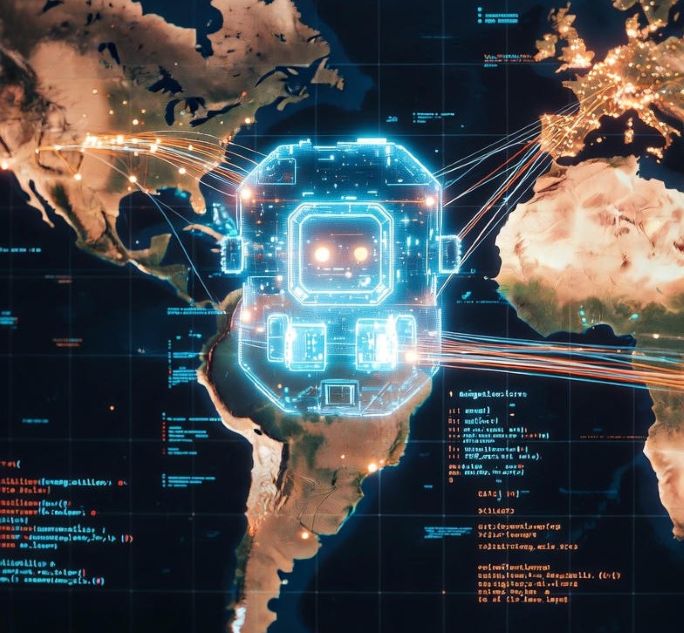
Traditional transport depends on infrastructure. Roads need maintenance. Ships burn fuel. Warehouses need space and staff. Every step adds cost and delay. Weather, borders, and labor issues can slow everything down. Even with modern tracking systems, physical goods remain tied to geography.
These limits shape how products are priced. Shipping fees are built into almost everything people buy. Faster delivery usually means higher cost. Same-day shipping sounds simple, but it relies on dense urban networks and careful planning. Outside major cities, speed drops quickly.
Digital delivery removes distance
Virtual goods ignore these limits. Once an item exists on a server, distance becomes meaningless. A player in Asia can receive an item from Europe as fast as someone next door. The delivery time feels the same everywhere, and the cost does not change.
This is why gaming marketplaces feel so efficient. There is no last mile problem. There is no fuel surcharge. The platform focuses on trust, security, and speed of transfer instead of trucks and routes. The entire idea of transport shifts from moving objects to moving ownership.
Value without vehicles
In games like Diablo II, rare gear holds real value because of scarcity and demand. Players trade these items the way collectors trade watches or art. When a transaction happens, nothing physical moves. What changes is the record of who owns the item.
Marketplaces built around this model show how value can flow without vehicles. D2 items trading works because the system is trusted and fast. The delivery experience feels instant and complete, even though nothing arrives at a door. This challenges the idea that transport must always involve movement through space.
Lessons for future transport systems
Physical goods will always need roads and ships. Food, medicine, and tools cannot be digitized away. Still, gaming marketplaces offer clues about what transport could become. The focus shifts from speed of movement to speed of access. People care less about how something travels and more about when they can use it.
Digital systems also reduce waste. There is no packaging to throw away. There are no returns clogging warehouses. Every transaction leaves a smaller footprint. While virtual items are not a solution for all logistics problems, they show how much cost comes from moving matter instead of information.
READ ALSO: Improved Transportation Technology Reduces Transport Costs
A blended future
The future of transport will likely mix physical and digital ideas. Documents, licenses, tickets, and media are already delivered digitally. Gaming shows how far this can go when ownership itself becomes the product. As more value turns digital, fewer vehicles are needed to move it.
For gamers, this feels normal. For transport planners and economists, it is a preview. When a player buys D2 items, the delivery is instant, borderless, and complete. That experience hints at a world where speed comes from systems, not engines, and where the fastest delivery leaves no tracks on the road.